Why Every Successful Project Starts With a Strong Grading Plan?
In construction and land development, success is rarely accidental. Every smooth project, from residential neighborhoods to commercial complexes, begins long before the first shovel hits the soil. One of the most critical yet often underestimated components of early planning is the grading plan. A well-designed grading plan establishes the foundation for proper drainage, site stability, and efficient use of space. It not only ensures that water flows away from structures but also reduces the risk of erosion, flooding, and costly maintenance issues down the line. Understanding and prioritizing grading early in a project can save time, money, and frustration for developers, contractors, and property owners alike. Moreover, grading directly impacts accessibility, landscape functionality, and the overall aesthetic appeal of the development, making it a pivotal factor in both planning and long-term property value.
Yet, despite its importance, many projects falter because grading is treated as a secondary consideration rather than a core element of site design. A strong grading plan integrates engineering, environmental, and aesthetic considerations to create a functional and resilient landscape. From shaping terrain to directing stormwater to complying with local regulations, grading affects every stage of construction. Recognizing its significance allows teams to anticipate challenges, optimize land use, and maintain project schedules. Proper grading also plays a key role in sustainable construction practices, helping manage stormwater runoff, prevent soil degradation, and protect surrounding ecosystems. In this article, we explore why every successful project starts with a strong grading plan, providing actionable insights, examples, and best practices for developers and contractors seeking long-term results.
Understanding Grading Plans – The Foundation of Success
What Is a Grading Plan?
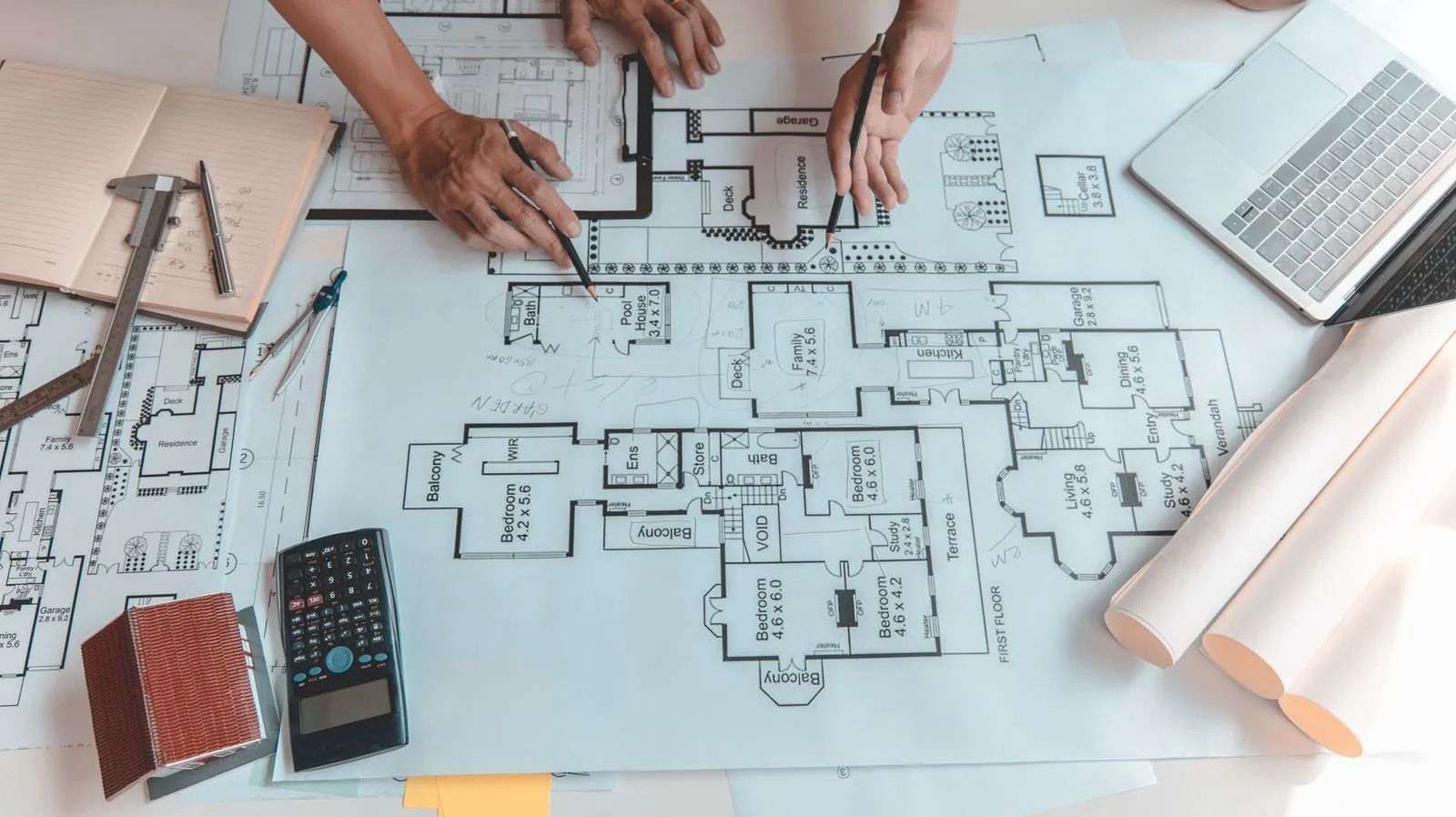
A grading plan is a detailed engineering drawing that outlines how land will be shaped and leveled to achieve proper drainage, support structures, and enhance site usability. It includes contours, elevations, slopes, and drainage paths, ensuring that water flows efficiently across the site without causing damage to buildings or landscaping.
Key Elements of a Grading Plan
- Topography and Contours: Showing existing land elevations and proposed changes.
- Drainage Patterns: Highlighting where water will naturally flow and areas that may require additional drainage solutions.
- Soil Analysis: Understanding soil type is crucial to prevent settling or erosion.
- Cut and Fill Calculations: Determining how much soil must be removed or added to achieve desired elevations.
Why It Matters
Without a precise grading plan, construction teams risk encountering water pooling, soil instability, and structural challenges. For instance, a minor miscalculation in slope can lead to basement flooding or erosion that undermines foundations. A robust grading plan acts as a blueprint for site preparation, guiding excavation, retaining wall placement, and landscape design. In essence, it reduces uncertainty and ensures that the project begins on a stable, predictable footing.
Benefits of a Strong Grading Plan
Efficient Drainage and Flood Prevention
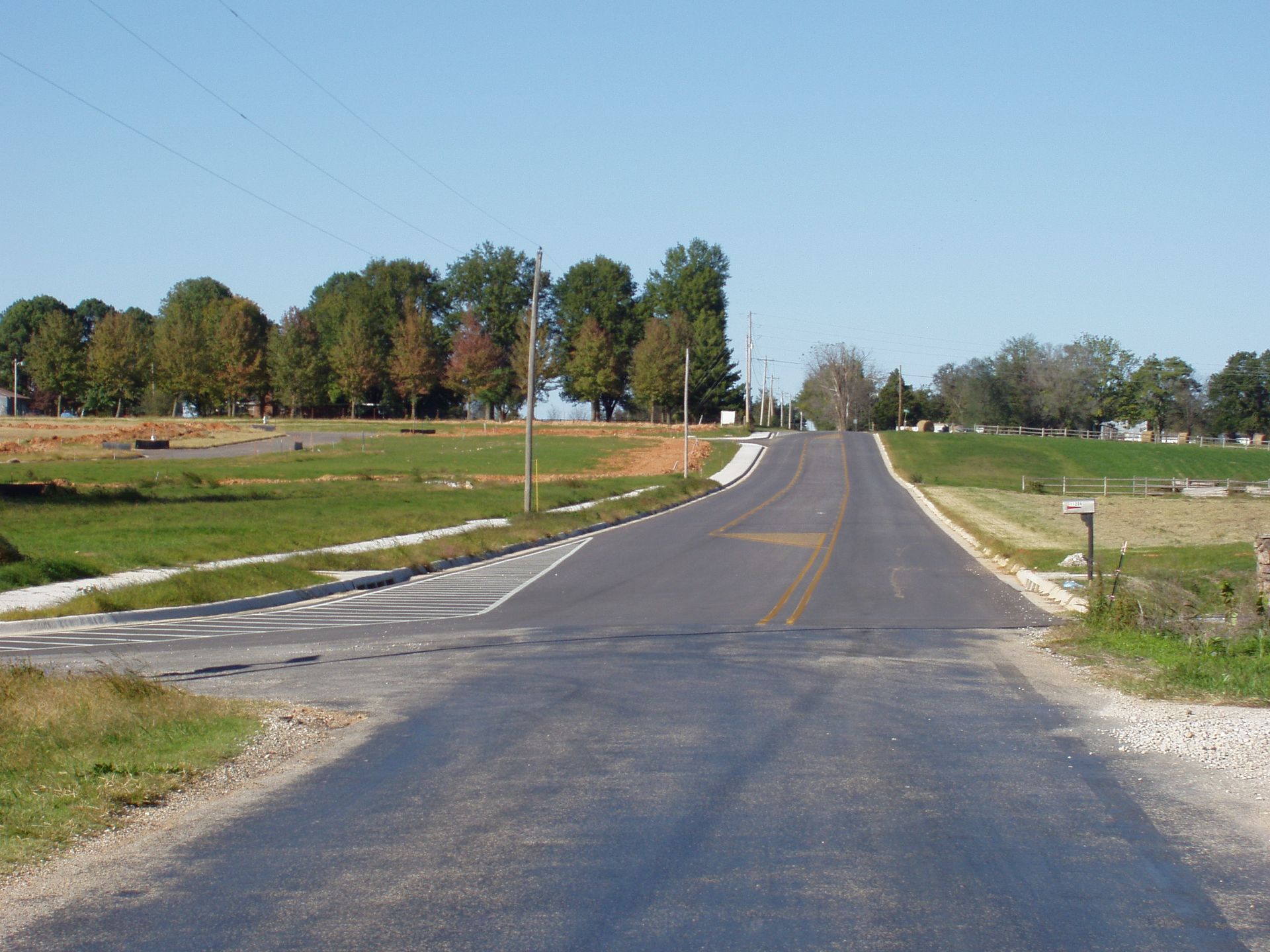
One of the most immediate advantages of a grading plan is effective water management. By designing slopes and drainage paths strategically, developers prevent water from accumulating around foundations, sidewalks, or parking areas. Proper grading reduces the likelihood of flooding, foundation damage, and costly post-construction repairs.
Cost Savings Over Time
Investing in a thorough grading plan can save significant costs during and after construction. Improper grading may require additional excavation, retaining walls, or drainage systems if problems arise. By addressing these concerns upfront, projects avoid delays, budget overruns, and long-term maintenance expenses.
Enhanced Project Planning
A clear grading plan provides guidance for contractors, architects, and landscape designers. With exact elevations and slope information, teams can coordinate site work efficiently, minimize rework, and ensure that all project components align seamlessly.
Real-World Example
Consider a suburban housing development where initial grading was overlooked. Homeowners experienced recurring water issues, forcing developers to install multiple drainage systems post-construction. By contrast, projects with a detailed grading plan saw fewer drainage problems, reduced construction delays, and higher customer satisfaction.
Challenges in Grading Without a Plan
Unanticipated Soil Conditions
Soil composition varies significantly across sites, impacting how water drains and how the ground supports structures. Without a grading plan that accounts for soil analysis, contractors may encounter unstable areas that require extensive remediation.
Regulatory Compliance
Local municipalities often enforce strict regulations for grading, erosion control, and stormwater management. Skipping a grading plan increases the risk of non-compliance, fines, or project delays. A detailed plan ensures adherence to all relevant codes and permits.
Environmental Risks
Poorly planned grading can disrupt natural drainage patterns, harm vegetation, and contribute to erosion. Projects without a proper plan may unintentionally affect neighboring properties, waterways, or wetlands, creating legal and environmental liabilities.
Construction Delays
Without a grading blueprint, contractors may encounter obstacles during excavation or site preparation. Unforeseen slopes, drainage issues, or unstable soils can halt work, leading to expensive delays and rescheduling.
Best Practices for Developing a Strong Grading Plan
Conduct Comprehensive Site Analysis
Before drafting a plan, gather detailed information on topography, soil composition, existing drainage patterns, and environmental constraints. Use surveys, soil tests, and aerial imaging to inform decisions.
Collaborate With Experts
Engage civil engineers, landscape architects, and surveyors early in the project. Their expertise ensures that grading plans address both technical and aesthetic requirements, from structural stability to curb appeal.
Prioritize Drainage and Erosion Control
Design slopes to direct water away from structures and toward appropriate drainage outlets. Incorporate retaining walls, swales, or stormwater management systems where necessary to minimize erosion.
Plan for Future Maintenance
A strong grading plan considers long-term maintenance needs. Ensure that slopes are manageable, drainage structures are accessible, and vegetation is compatible with soil and moisture conditions.
Use Technology for Precision
Modern grading software allows for 3D modeling, cut-and-fill analysis, and simulation of water flow. These tools improve accuracy, reduce human error, and facilitate communication between stakeholders.
Real-World Scenario
A commercial complex in Arkansas leveraged advanced 3D grading models to optimize parking lot slopes and stormwater flow. This proactive approach minimized excavation costs and prevented drainage issues, demonstrating how technology-driven planning translates into real-world efficiency.
Integrating Grading With Overall Project Design
Aligning Grading With Architecture
A grading plan should complement architectural designs, ensuring that building foundations, entrances, and walkways align seamlessly with the terrain. This alignment enhances both functionality and visual appeal.
Coordinating Landscaping and Hardscaping
Well-designed grading supports landscaping goals, such as garden beds, patios, and retaining walls. By integrating grading with landscape plans, developers achieve aesthetically pleasing and structurally sound outdoor spaces.
Stormwater Management Integration
Modern developments must manage stormwater effectively to meet environmental and regulatory requirements. Grading plans can direct runoff into retention ponds, bioswales, or underground drainage systems, mitigating environmental impact while supporting sustainable design.
Example of Integrated Planning
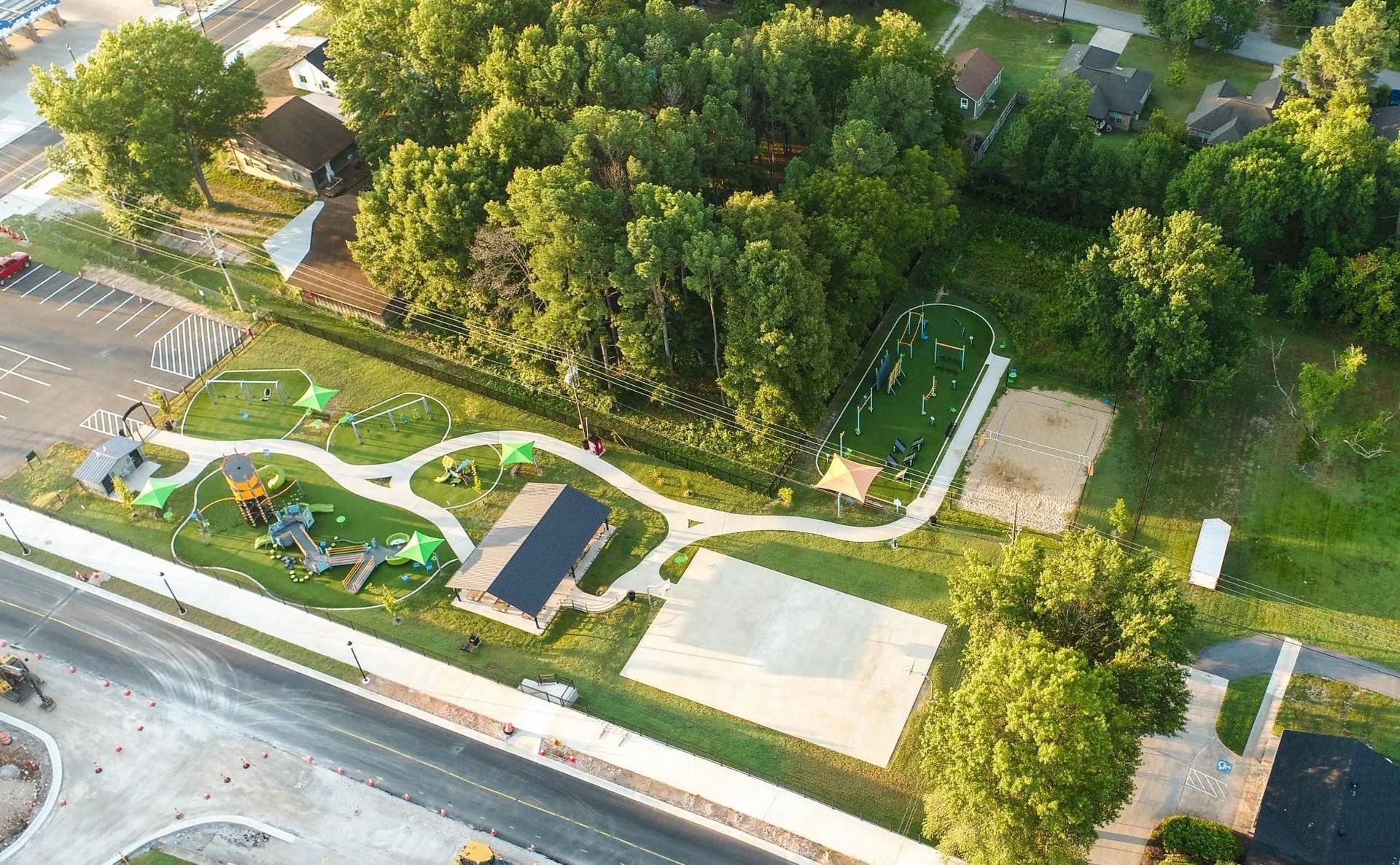
In a mixed-use development project, the grading plan incorporated green spaces, walkways, and parking areas into a cohesive layout. By addressing drainage, accessibility, and landscape design concurrently, the project minimized conflicts between contractors and ensured a smoother construction process.
Long-Term Advantages of a Strong Grading Plan
Reduced Maintenance Costs
Proper grading prevents water pooling, soil erosion, and foundation damage. As a result, building owners spend less on repairs, landscaping restoration, and drainage fixes over the life of the property.
Improved Property Value
Sites with effective grading tend to have better curb appeal and functional outdoor spaces. Developers and property owners benefit from increased market value and faster sales or leasing potential.
Enhanced Safety
Proper slopes and drainage reduce hazards such as standing water, mudslides, and ice accumulation in colder climates. This enhances safety for residents, employees, and visitors.
Sustainable Development
A grading plan that considers natural water flow, erosion control, and vegetation preservation contributes to environmentally responsible development. Sustainable projects attract positive attention from communities and regulatory agencies.
Expert Insight
Industry professionals consistently emphasize that projects with thorough grading plans experience fewer costly surprises, maintain construction timelines, and achieve higher satisfaction among stakeholders. This reinforces the idea that strong grading planning is a foundational step in every successful project.
Professional Land Grading Designed for Optimal Results
A successful construction project begins long before breaking ground. A comprehensive grading plan lays the foundation for proper drainage, site stability, and efficient land use. From mitigating water-related issues to reducing long-term maintenance costs, the benefits of a precise grading plan are tangible and far-reaching. By integrating soil analysis, drainage strategies, and technological tools, developers can anticipate challenges, maintain compliance, and create resilient, aesthetically pleasing sites.
In addition to immediate project advantages, strong grading plans enhance property value, safety, and sustainability, ensuring that both developers and end-users reap long-term rewards. Whether working on residential, commercial, or mixed-use projects, prioritizing grading planning establishes a blueprint for success that guides every subsequent stage of construction.
Earthplan Design Alternatives, based in Springdale, Arkansas, brings 30 years of experience in delivering expertly engineered grading solutions. Our team specializes in comprehensive site planning, precision grading, and sustainable land management, ensuring that every project is built on a solid foundation. Trusted by developers and contractors alike, we combine technical expertise with practical solutions to optimize project outcomes. From initial surveys to finished site preparation, Earthplan Design Alternatives ensures your project starts strong and stays on course for long-term success.