The Hidden Engineering Work That Creates Truly Beautiful, Well-Designed Modern Neighborhoods
Modern neighborhoods are more than just rows of homes and neatly paved streets—they are carefully orchestrated ecosystems, meticulously designed to enhance community living, safety, and sustainability. While the aesthetics of a neighborhood often draw attention, the underlying engineering work that makes these spaces functional, safe, and visually appealing often goes unnoticed. From grading and drainage to street layouts and utility placement, the hidden infrastructure plays a pivotal role in shaping livable communities. Understanding these engineering foundations is essential for homeowners, developers, and urban planners who aim to create spaces that combine beauty with practicality.
The design of a modern neighborhood is a complex interplay between environmental considerations, civil engineering principles, and urban planning strategies. Every curve in a road, slope in the land, and placement of a park is informed by technical calculations that ensure longevity, safety, and sustainability. Without this meticulous groundwork, even the most aesthetically pleasing neighborhoods can face issues such as flooding, traffic congestion, or utility failures. By delving into the often-overlooked engineering efforts, we uncover how functional planning, innovative design, and strategic implementation come together to create communities that are not only visually stunning but also highly efficient and enjoyable to live in.
Strategic Land Grading and Drainage
The Importance of Grading
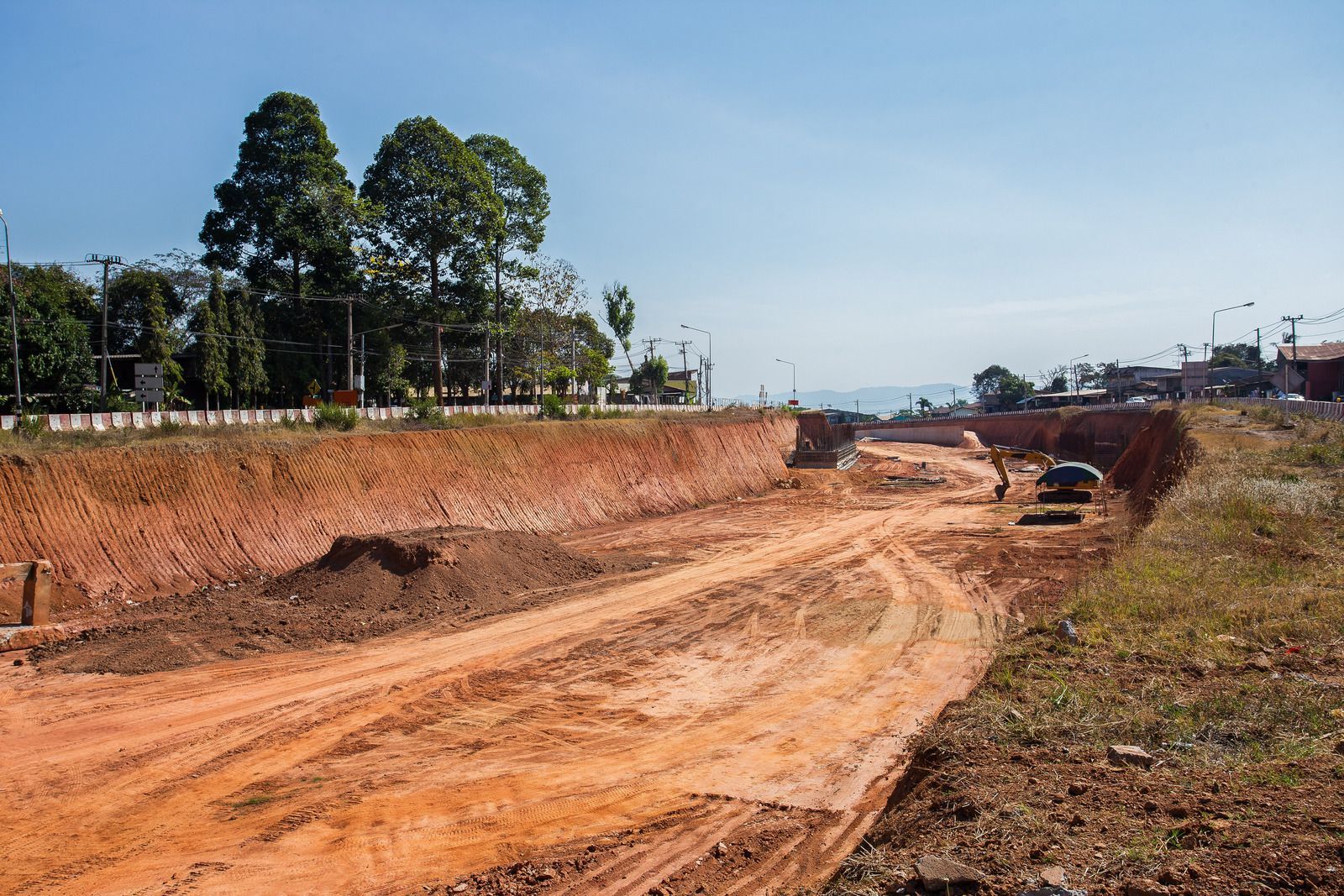
One of the foundational steps in developing a neighborhood is land grading. Grading involves shaping the land to direct water flow, ensure structural stability, and prepare plots for construction in a way that maximizes long-term functionality. Proper grading prevents water accumulation, minimizes erosion, and protects homes and public spaces from flooding and other water-related damage. Engineers study soil composition, topography, and natural water paths to design slopes that optimize drainage without compromising aesthetics or the natural beauty of the landscape.
Stormwater Management Solutions
Stormwater management is integral to modern neighborhood design and overall community sustainability. Techniques like retention ponds, bioswales, and underground drainage systems help manage rainfall and runoff effectively, reducing flooding risks. For example, retention ponds not only collect excess water but also serve as scenic features that enhance neighborhood beauty and provide recreational value for residents. By incorporating these systems from the start, developers avoid costly retrofits and safeguard community infrastructure, ensuring neighborhoods remain functional for decades.
Real-World Scenario
In a recent suburban development, engineers faced heavy clay soil that naturally retained water, creating potential flooding hazards. By implementing a combination of swales, graded slopes, and permeable surfaces, they successfully redirected water away from homes while maintaining green spaces that residents now enjoy for recreational activities and gatherings. This approach highlights how grading and drainage impact both functionality and community aesthetics, ensuring the neighborhood thrives over time.
Roadway and Street Layout Engineering
Designing for Traffic Flow
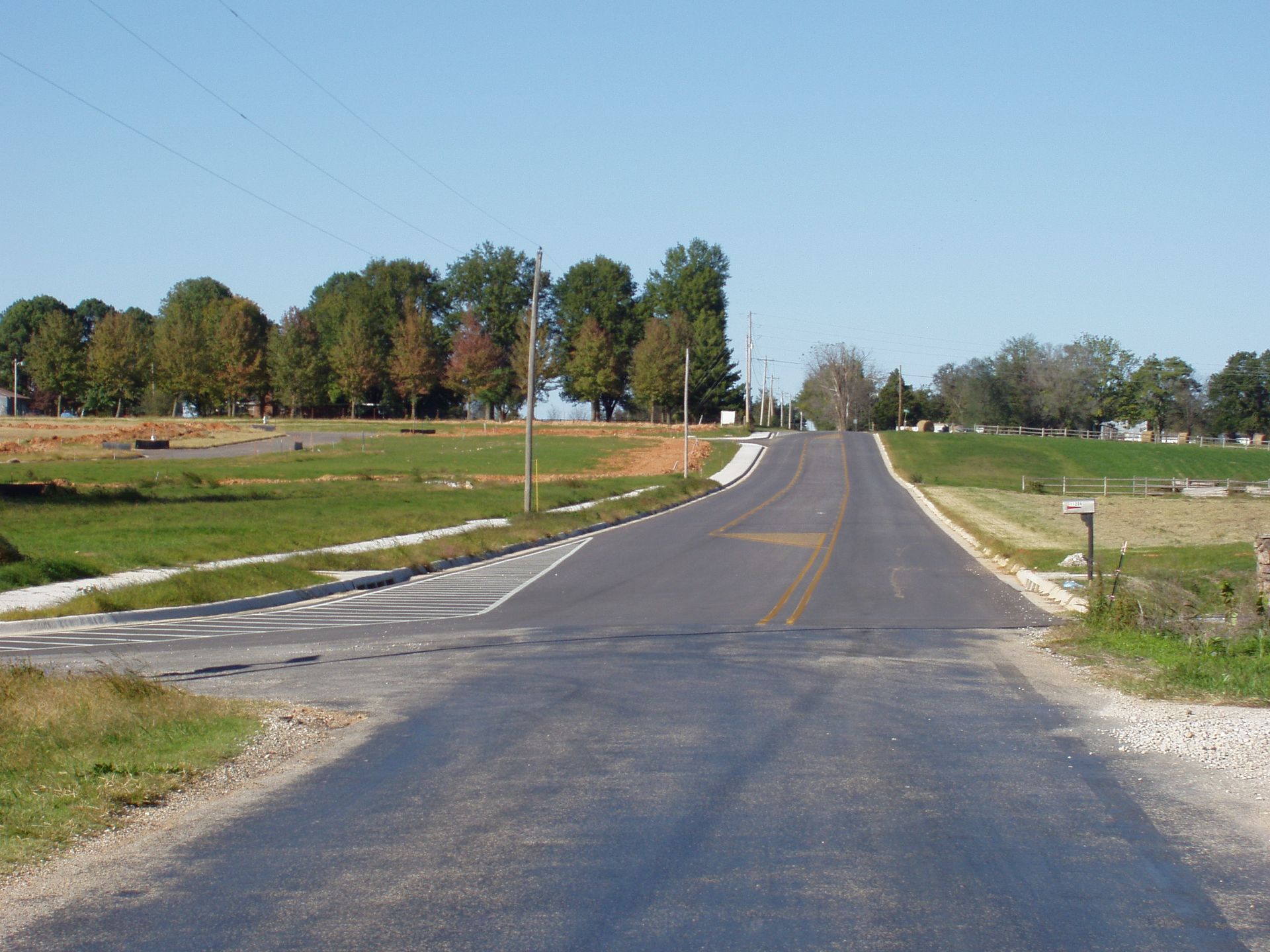
The layout of streets and roads in a neighborhood directly influences accessibility, safety, and convenience for all residents and visitors. Civil engineers employ traffic modeling, sightline analysis, and connectivity studies to determine street widths, intersection placements, and road curvature for optimal performance. Properly designed roads reduce congestion, enhance pedestrian safety, and improve emergency response times, providing a seamless transportation experience for the entire community.
Integrating Walkability and Bike Paths
Modern neighborhoods prioritize walkability and cycling to improve resident health and lifestyle. Integrating sidewalks, bike lanes, and pedestrian crossings requires detailed planning to ensure safety, connectivity, and accessibility throughout the community. For instance, engineers must balance road widths with green buffers, plan gentle curves to reduce speeding, and position crosswalks strategically near parks, schools, and public spaces. Thoughtful design encourages healthier lifestyles, fosters community interaction, and increases neighborhood appeal.
Case Example
A master-planned community recently redesigned its central streets to incorporate a continuous bike path network, calm traffic with strategic speed bumps, and enhance pedestrian accessibility throughout key areas of the neighborhood. This engineering approach not only improved safety but increased property values and resident satisfaction, proving that careful street design directly benefits neighborhood livability, community engagement, and overall quality of life.
Utility and Infrastructure Planning
Water, Sewer, and Electrical Networks
Behind every home, a hidden network of utilities supports daily life, comfort, and convenience. Designing these systems involves precise engineering to ensure reliability, efficiency, and scalability for current and future needs. Engineers plan water supply lines to maintain consistent pressure, sewer systems to prevent backups, and electrical grids to accommodate growth without disruption or service issues. Early-stage planning prevents costly repairs, service interruptions, and resident inconvenience later on.
Coordinating Multiple Systems
Coordinating multiple utilities requires a holistic approach and careful attention to detail. Conflicts between water lines, gas pipes, and fiber optic cables can disrupt service if not carefully planned or properly integrated. Modern neighborhood design often employs 3D modeling software to visualize underground layouts, identify clashes, and optimize space for future expansions and technological upgrades. This coordination ensures smooth operation and long-term reliability for decades to come.
Benefits to Homeowners
Properly engineered utility systems reduce maintenance issues, prevent service interruptions, and enhance overall quality of life for residents and visitors alike. Homeowners may never see the intricate planning behind their neighborhood’s infrastructure, but they directly benefit from reliable water, power, and sewage management that keeps daily life uninterrupted, safe, and convenient every single day.
Landscape Architecture and Environmental Integration
Blending Nature and Urban Design
Engineering a neighborhood extends beyond concrete and utilities, involving careful integration of natural elements and urban spaces. Incorporating green spaces, water features, and tree buffers enhances aesthetic appeal and environmental sustainability while supporting functional purposes such as stormwater retention and erosion control. Engineers and landscape architects work together to plan parks and public spaces that complement the terrain while fostering community enjoyment and engagement.
Sustainability Practices
Sustainable neighborhood design integrates green infrastructure, including rain gardens, permeable pavements, and energy-efficient lighting to reduce environmental impact effectively. Such measures manage stormwater, lower long-term maintenance costs, and create healthier, more environmentally responsible neighborhoods. For example, rain gardens naturally filter runoff while providing a visually appealing landscape element, making the community more resilient and sustainable over time.
Real-World Example
A neighborhood designed near a wetland implemented native plant buffers and elevated walkways to protect natural habitats while offering scenic walking paths for residents and visitors. The engineering team ensured that human activity coexists harmoniously with the environment, demonstrating how thoughtful planning enhances both beauty, ecological responsibility, and community enjoyment throughout the development.
Safety Engineering and Community Planning
Ensuring Structural and Emergency Safety
Safety considerations are central to neighborhood engineering and planning for all residents. Streets, lighting, and public spaces must meet safety codes and accommodate emergency services efficiently. Engineers design road widths for fire trucks, install streetlights at strategic locations, and plan evacuation routes, ensuring the community remains safe in any situation. Structural engineers also ensure homes and community buildings adhere to standards that withstand local weather conditions and natural disasters reliably.
Crime Prevention Through Environmental Design
Modern neighborhoods also leverage engineering principles to enhance security and reduce crime opportunities. Crime Prevention Through Environmental Design (CPTED) strategies, such as well-lit pathways, clear sightlines, and strategic landscaping, are incorporated throughout developments. Thoughtful engineering creates safer, more inviting environments for residents while maintaining visual appeal, encouraging outdoor activity, and fostering community trust.
Community Connectivity and Social Interaction
Engineering decisions influence social cohesion, engagement, and overall community satisfaction. Properly positioned parks, communal areas, and pathways encourage resident interaction and shared experiences. Neighborhoods with well-planned social spaces see increased community engagement, enhanced safety, and a stronger sense of pride. Strategic planning fosters belonging and a sense of ownership among residents, contributing to long-term neighborhood success and enjoyment.
Smart Technology Integration in Modern Neighborhoods
Infrastructure for Future Technology
The integration of smart infrastructure is increasingly important in new neighborhoods to support growth and modern living. Engineers design roads and utility networks to support smart lighting, traffic sensors, and high-speed internet connectivity for residents. This forward-thinking approach ensures communities remain technologically relevant, adaptable to future advancements, and prepared for emerging innovations without compromising design aesthetics or functionality.
Energy Efficiency and Smart Utilities
Smart meters, automated irrigation systems, and energy-efficient street lighting reduce operational costs, environmental impact, and unnecessary energy usage. Engineering teams plan for seamless integration of these systems, ensuring residents benefit from advanced technology without aesthetic compromises or disruptions. Proper planning avoids costly retrofits that could compromise neighborhood appearance or utility functionality in the future.
Example of Smart Integration
In a recent development, engineers installed a network of smart streetlights and connected utility systems to improve safety, convenience, and energy efficiency for all residents. The neighborhood maintains a modern, uncluttered appearance while providing technological benefits, demonstrating how hidden engineering work enables innovation, sustainability, and high-quality living environments simultaneously.
Expert Neighborhood Design Backed by Decades of Experience
At Earthplan Design Alternatives
in Springdale, Arkansas, we have spent 30
years mastering the art and science of neighborhood planning and
civil engineering. Our team is dedicated to creating communities that seamlessly blend beauty, functionality, and sustainability. We approach every project with meticulous attention to grading, drainage, infrastructure, and landscape design, ensuring that each neighborhood we develop is structurally sound, visually appealing, and environmentally responsible. Our experience has taught us the importance of forward-thinking planning, from utility integration to community connectivity, allowing residents to enjoy spaces that are safe, convenient, and engaging. By combining technical expertise with a commitment to aesthetic excellence, Earthplan Design Alternatives
delivers long-term value for homeowners, developers, and communities. Whether managing complex terrain, coordinating multiple utility systems, or integrating smart technology, we pride ourselves on executing projects with precision and professionalism. With three decades of trusted experience, we are a reliable partner for anyone seeking to build modern neighborhoods that stand the test of time, reflecting both visionary design and enduring engineering excellence.